
Overview
Tropical Metal Products is a national roofing supplies manufacturer and distributor serving contractors, developers, and homeowners across Jamaica.
Although the company was a market leader offline, its digital presence was not contributing meaningfully to growth.
I led an end-to-end digital transformation and go-to-market initiative designed to turn marketing into a measurable, revenue-generating system aligned with sales, manufacturing, and operations.
Over approximately 27 months, this work contributed to more than 2.5 billion JMD in revenue impact, generated over 2,000 qualified inbound leads, and established a long-term inbound demand engine driven by SEO, paid media, email marketing, and e-commerce.
The outcome was not just improved marketing performance, but a fundamental shift in how the company used digital systems to support growth.
Context and Problem
Despite strong brand recognition offline, Tropical Metal’s digital ecosystem was fragmented and underperforming.
The website functioned primarily as a brochure rather than a demand engine, customer journeys were unclear, and digital activity lacked measurable feedback loops.
Sales relied heavily on outbound efforts and long-standing relationships, while marketing was disconnected from inventory, pricing behavior, and operational constraints.
The real challenge was not improving individual channels, but designing a product-led go-to-market system that reflected how the business actually operated.
Digital needed to support contractors, align with manufacturing realities, and create predictable inbound demand rather than isolated bursts of traffic.
My Role
I served as Digital Product and Growth Lead, owning both strategy and execution.
I worked directly with the General Manager, Director, sales leadership, accounting, and manufacturing teams to ensure alignment across the organization.
My responsibilities spanned product positioning, go-to-market strategy, website and UX architecture, SEO and inbound systems, content and media strategy, performance analytics, and ongoing optimization.
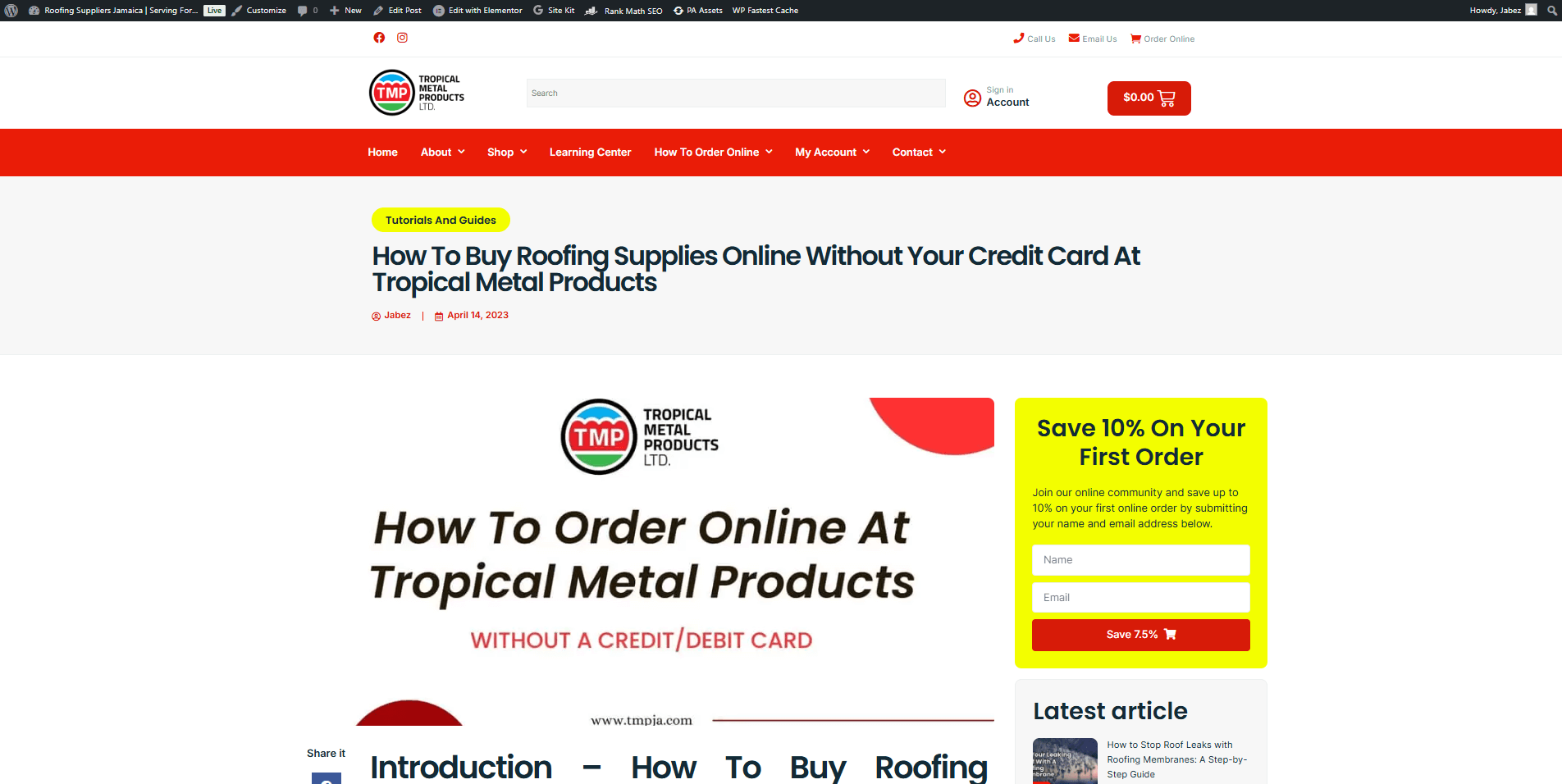
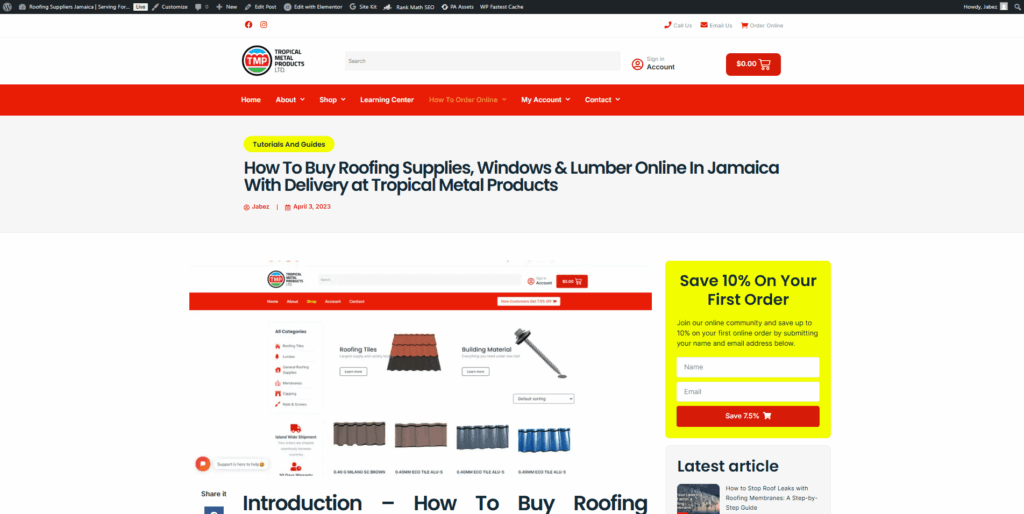
In addition to rebuilding the website, I developed and executed Google Ads campaigns, email marketing sequences, landing pages, and a full e-commerce platform supporting both B2B and D2C sales.
I coordinated campaigns with sales, accounting, and operations to ensure results were measurable and operationally viable.
I also led monthly executive-level strategy sessions focused on long-term brand positioning, revenue growth, and iterative improvement based on real performance data.
Go-To-Market and Product Strategy
Rather than chasing short-term traffic or vanity metrics, the strategy focused on building a long-term inbound system centered on high-intent demand.
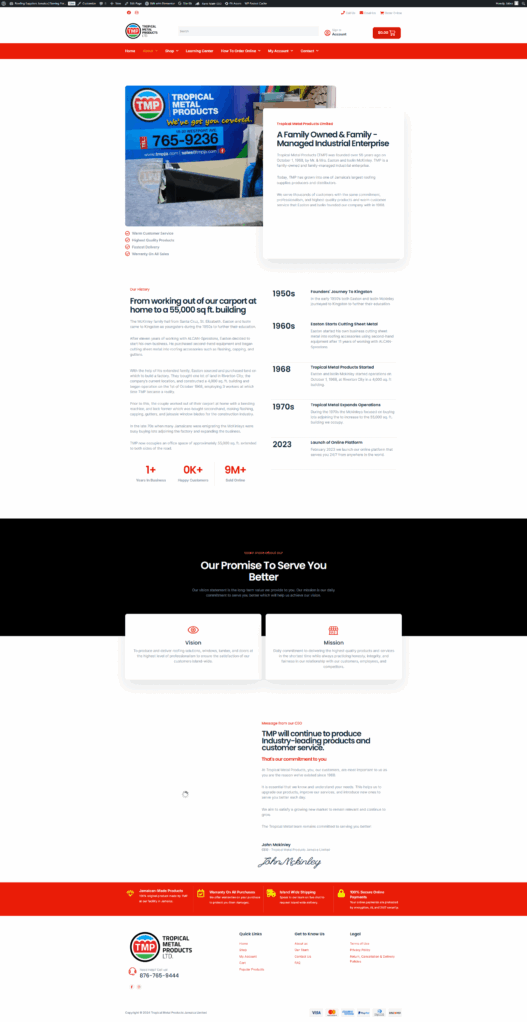
The website was treated as a sales enablement product rather than marketing collateral.
Messaging and structure were designed to reach contractors and builders at real decision-making moments, supported by educational content that reduced friction and built trust.
SEO was positioned as a compounding acquisition channel, while paid media and email marketing were integrated to support the full funnel.
Messaging was aligned with inventory availability, pricing behavior, and delivery constraints to ensure that marketing promises matched operational reality.
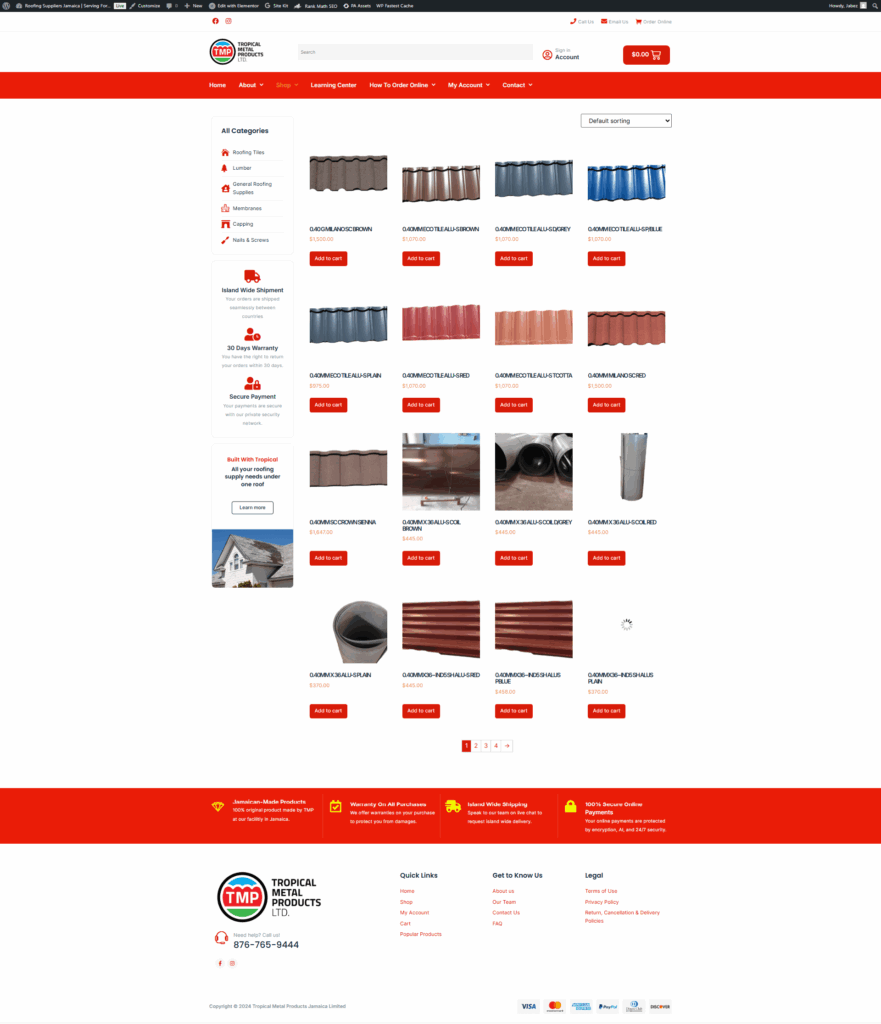
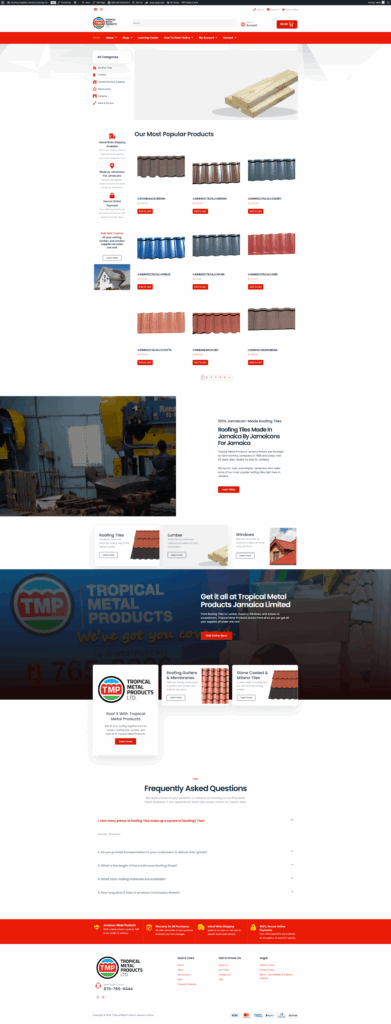
An e-commerce layer was introduced to enable direct online sales while still supporting contractor-focused B2B workflows.
Technical and Platform Architecture
The digital platform was built on WordPress and designed as a scalable growth system rather than a static website.
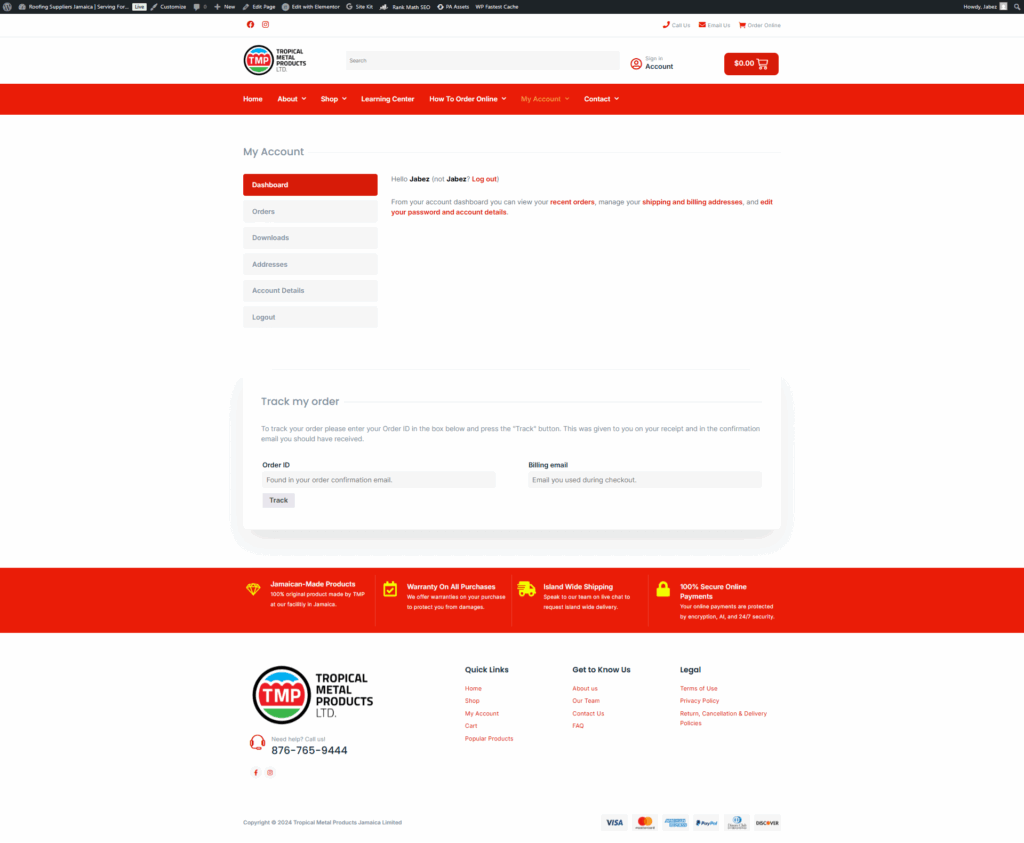
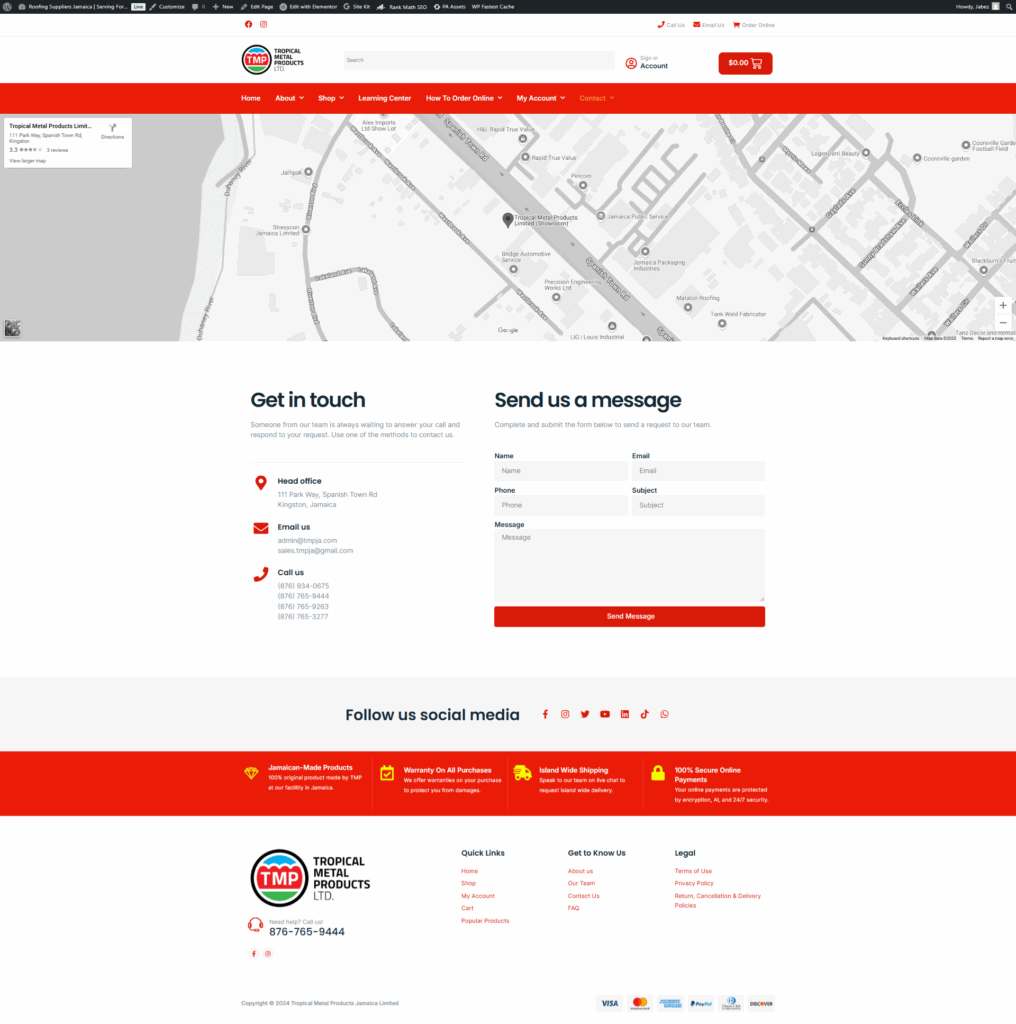
The architecture supported both B2B and D2C e-commerce flows, distinct landing pages aligned to different buyer intents, and integrated lead capture with segmentation tied to funnel stage and use case.
Google Ads, SEO, email marketing, and analytics were connected directly to landing pages and conversion paths to ensure performance could be measured end to end.
Analytics and reporting systems tracked traffic, lead quality, conversion rates, and content performance.
These insights were reviewed monthly with leadership to guide ongoing optimization.
The platform was designed to evolve alongside manufacturing capacity, inventory constraints, and sales operations rather than operate in isolation.
UX, Content, and Conversion Design
User experience decisions were grounded in how roofing materials are actually purchased, not abstract marketing assumptions.
Product categorization, messaging, and content reflected real contractor language and buying behavior.
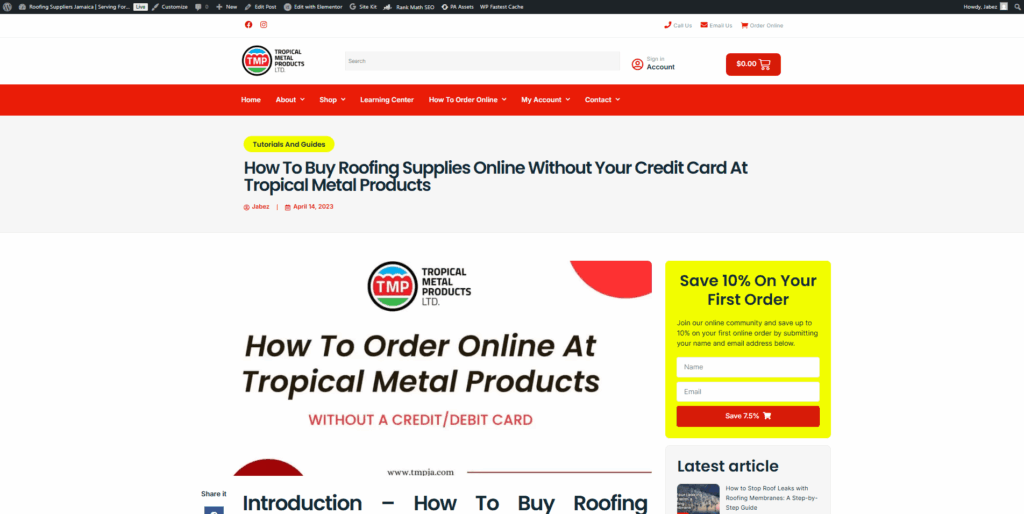
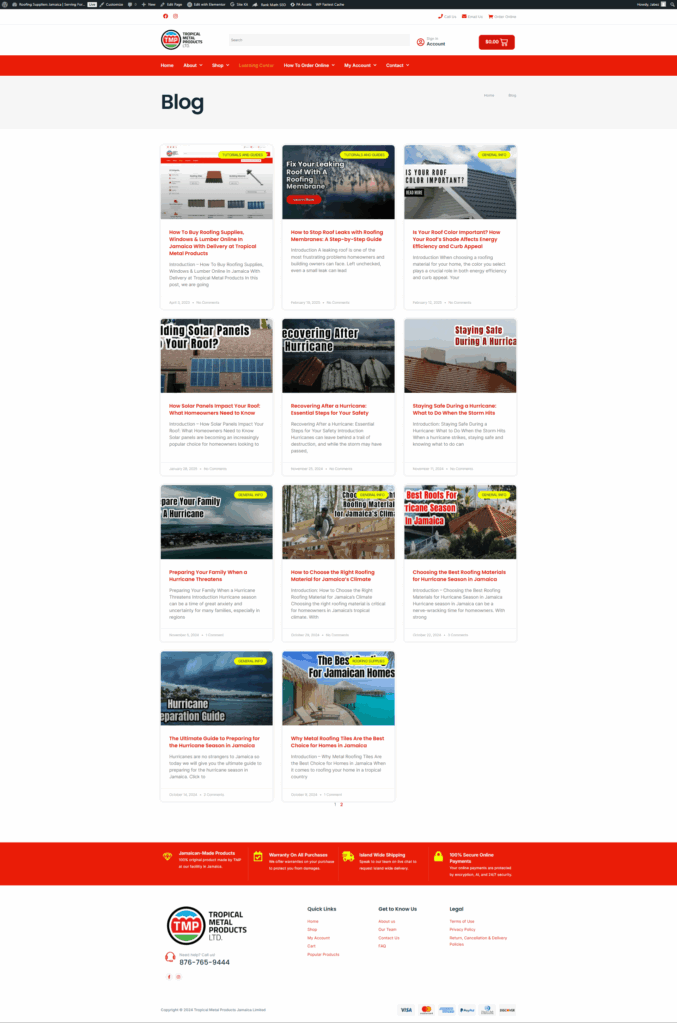
Educational content addressed common questions around materials, use cases, and installation, while conversion paths were optimized for calls, inquiries, quotes, and online purchases.
Layouts and interactions were designed for performance, increasing time on site, engagement, and intent-driven actions rather than passive browsing.
Outcomes and Impact
Over the course of the engagement, Tropical Metal experienced an approximate 11 to 12 percent year-over-year revenue increase following the initial transformation period.
More than 2,000 qualified inbound leads were generated through organic search, paid campaigns, and email marketing.
The company achieved top SEO rankings for high-intent roofing and construction keywords, driving sustained increases in traffic and engagement.
The digital platform shifted from a cost center to a primary revenue driver.
Paid campaigns, email sequences, landing pages, and e-commerce sales produced direct, measurable revenue.
Marketing became a predictable and trackable growth function, and sales and marketing alignment improved significantly across both B2B and D2C channels.
During the first year, revenue dipped slightly as legacy channels softened and new systems were built.
In the following year, growth accelerated as SEO performance compounded and inbound demand strengthened.
Brand awareness and recognition increased measurably through organic visibility, content engagement, and direct inquiries.
Key Learnings
This project reinforced that a go-to-market strategy must reflect operational reality, not marketing theory.
In B2B environments, clarity and trust consistently outperform persuasion.
SEO delivers the greatest impact when treated as a product rather than a channel, and cross-functional alignment acts as a force multiplier for growth.
Integrating paid media, email marketing, and e-commerce with organic channels creates significantly higher ROI than treating each channel independently.
Most importantly, long-term systems consistently outperform short-term campaigns when the goal is sustainable growth.
This engagement shaped how I approach product marketing, growth, and product operations by grounding every decision in real users, real constraints, and real revenue.